

Antique Appraisal Guide: When to DIY and When to Hire Help
A practical appraisal guide covering when a first-pass estimate is enough and when you need a qualified appraiser.
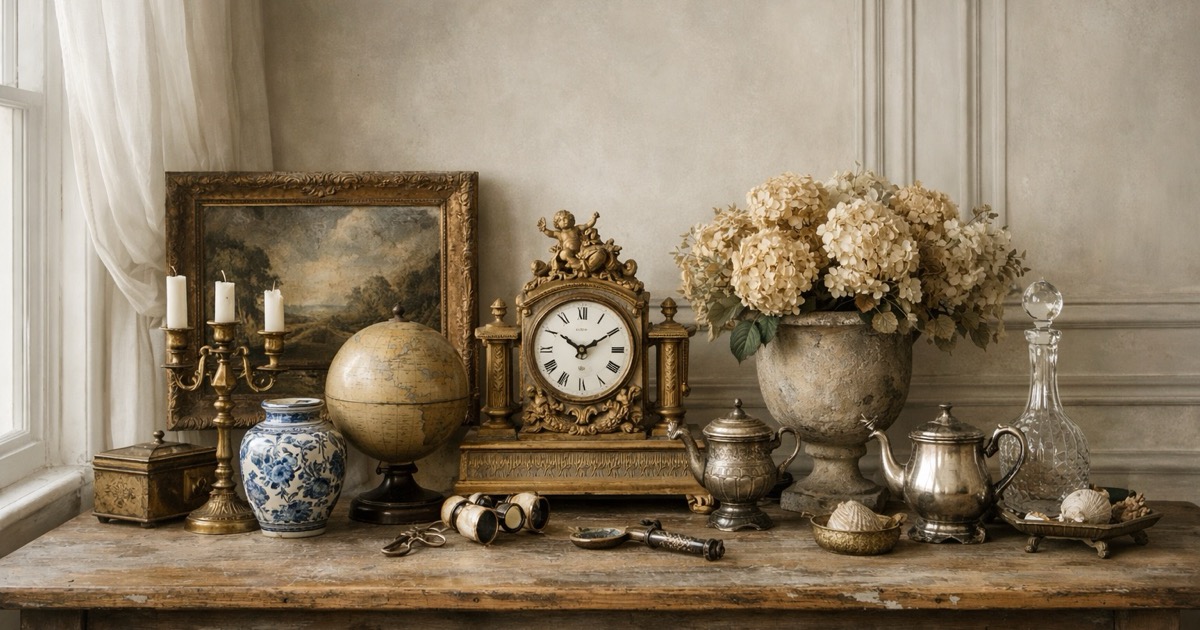
An antique appraisal is useful when the stakes are high enough that a rough estimate is no longer enough. If you are only deciding whether to buy a £40 market find, a first-pass estimate may be plenty. If you are dealing with insurance, probate, a potentially valuable object, or a sale where provenance matters, the standard gets much higher.
That is the practical way to think about appraisal. It is not the default next step for every old object. It is the right step when accuracy, documentation, or specialist judgment matters more than speed.
Start with a first-pass workflow before paying for appraisal
Many items do not need formal appraisal at the beginning. They need identification, condition notes, and a basic value direction.
A sensible first-pass process is:
- photograph the object well
- identify marks, labels, and materials
- compare sold listings for similar pieces
- decide whether the item appears ordinary, moderately collectible, or potentially significant
That process usually gets you far enough for casual buying, low-stakes resale, or sorting family items. Tools like Best Antique Identification App: What to Look For and How to Use an Antique Value Estimator the Right Way are designed for exactly that stage.
When a professional appraisal makes sense
Move toward a professional appraisal when:
- you need documentation for insurance
- probate, divorce, donation, or legal matters are involved
- the item may be unusually valuable or rare
- provenance could materially change value
- the category is specialist, forged often, or difficult to compare online
This is especially common with fine art, important silver, signed ceramics, unusual jewelry, historically significant furniture, and anything where maker, period, or origin dramatically changes the number.
The main types of appraisal
One reason people get confused is that “appraisal” does not mean one universal number. Different appraisal purposes can produce different value conclusions.
Common types include:
- fair market value for an open-market estimate between a willing buyer and seller
- insurance replacement value for replacing the item in a retail-like context
- estate or probate valuation for legal or tax-related matters
- donation appraisal for charitable contribution documentation
You need to tell the appraiser why you need the appraisal before the work starts. Otherwise you may pay for the wrong kind of report.
What an appraiser looks at that a casual estimate may miss
A qualified appraiser does more than search listings. They assess:
- construction quality
- condition and restoration
- attribution evidence
- maker and period consistency
- provenance
- market context for the right buyer group
That deeper view matters because many meaningful value swings happen outside the obvious surface. A hidden repair, a replaced component, or a documented maker attribution can change the appraisal far more than a casual online search would suggest.
How to prepare for an appraisal
You will get more value from the appraisal if you prepare properly first.
Gather:
- clear photos of the whole object
- close-ups of marks, signatures, labels, and damage
- dimensions and materials if known
- any receipts, family history, letters, or prior documentation
- notes on restoration or missing parts
Do not aggressively clean or repair the piece before the appraisal unless you have category-specific advice to do so. Over-cleaning and amateur restoration can remove evidence that matters.
What an appraisal can cost
Fees vary by appraiser, location, item type, and scope of work. Some professionals charge hourly, some charge flat fees, and some handle large groups of objects as a project.
The important point is not to shop only on the lowest fee. You are paying for:
- subject knowledge
- research time
- documentation quality
- judgment that is strong enough for the use case
If you only need a quick first-pass range, a full formal appraisal may be unnecessary. That is where a price guide or value-estimator workflow is usually more efficient.
How to choose the right appraiser
Look for fit, not just availability. A strong appraiser should match the category and purpose.
Ask:
- do they work in this category regularly?
- is the appraisal for insurance, estate, resale guidance, or something else?
- what documentation do they provide?
- do they inspect in person, remotely, or both?
- what are the fees and turnaround times?
Specialization matters. A general appraiser may be fine for mixed household contents, but a niche category may need a specialist.
When you can stay in DIY mode
You probably do not need a formal appraisal yet when:
- the item appears common and low to mid value
- sold comparables are plentiful and consistent
- the purpose is casual resale pricing
- there is no legal, estate, or insurance need
In that case, the better path is often:
- identify the object more confidently
- tighten the condition assessment
- compare stronger sold comps
- set a realistic range or listing price
Antique Price Guide: How to Estimate What It’s Worth and How to Price Antiques for Sale Without Guesswork are built for that stage.
Where Antique Identifier fits
Antique Identifier is not a replacement for a professional appraiser. It is most useful earlier in the chain:
- narrowing likely category and era
- surfacing marks or materials worth checking again
- improving the search terms you use for comps
- helping you decide whether an item is ordinary or worth deeper effort
That makes it a very good triage tool. It helps you avoid paying for formal appraisal too early, while also helping you recognize when an item deserves more than a casual estimate.
The practical rule
Use first-pass tools when the goal is speed and orientation. Use professional appraisal when the goal is documentation, higher confidence, or a decision with real financial or legal consequences.
That split keeps the process efficient and avoids both extremes: guessing too much or overpaying for certainty you do not need yet.
Topics