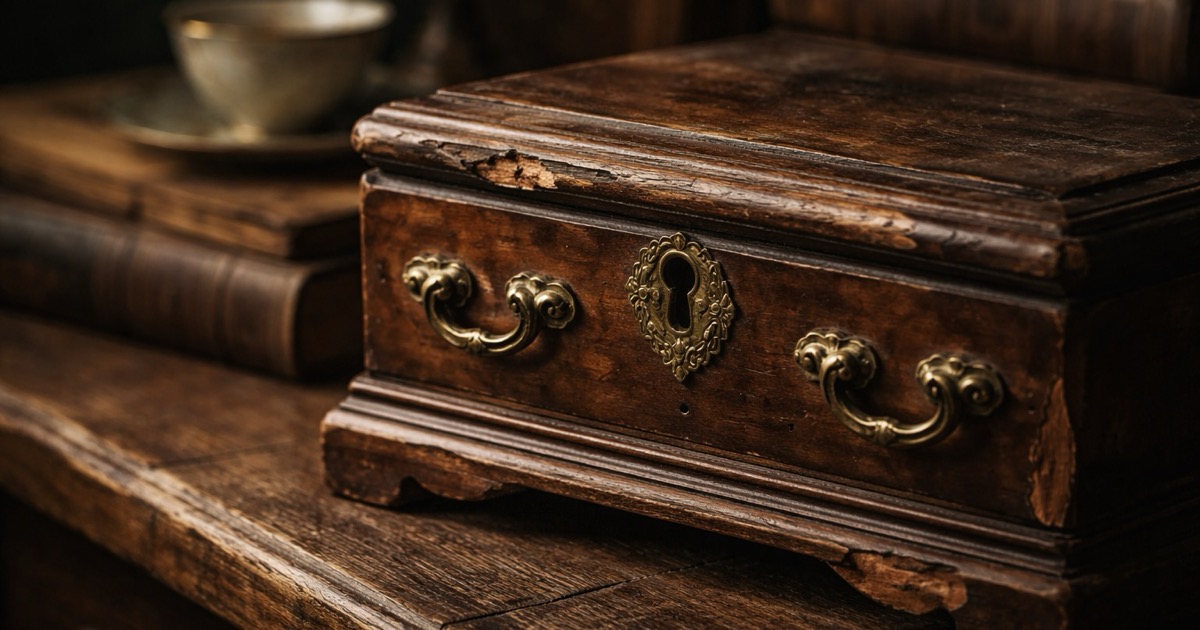
The most common signs of antique reproductions are usually not dramatic. They are small mismatches. The wear looks wrong for the object. The materials do not fit the supposed period. The construction is too modern. The mark looks fresh while the rest of the piece is pretending to be old.
That is why reproduction spotting works best as a consistency check. You are not trying to prove authenticity from one clue. You are trying to see whether the story told by style, material, wear, and marks actually agrees.
Start with the question reproductions usually fail
The best first question is simple: does the object make sense as a whole?
A convincing antique should show reasonable agreement between:
- style and period
- materials and construction
- marks and placement
- wear and actual use
- repairs and age
Reproductions often copy one layer well. They imitate the silhouette, or the decorative motif, or even the mark. What they struggle to copy is the full set of clues at once.
Wear that looks staged instead of lived-in
One of the clearest warning signs is wear that appears in the wrong places.
Real use tends to create wear where hands touch, where drawers slide, where bases rest, and where lids lift on and off. Reproductions often show:
- random scuffing in low-contact areas
- even distressing across the whole surface
- fresh-looking interiors with artificially aged exteriors
- dark stain placed in carvings or corners to fake age
This does not mean all clean pieces are fake. Some objects were simply well cared for. The issue is whether the wear pattern feels believable for how the item would have been used.
Materials that do not match the claimed age
The second big warning sign is material mismatch.
Examples include:
- obviously modern screws on a supposedly early piece
- new adhesives where older joinery should dominate
- lightweight cast metal pretending to be earlier hand-finished metalwork
- modern printed marks on ceramics that otherwise want to look old
- machine-perfect surfaces where hand-finishing should be visible
This is especially important in furniture, metalware, and ceramics. A piece can borrow the visual language of age without borrowing the materials or methods that gave the original its character.
Marks that look right until you examine them properly
A fake or reproduction often relies on the buyer overtrusting a mark. That is why mark-reading and reproduction awareness belong together.
Be cautious when:
- the mark is unusually crisp but the rest of the object looks heavily worn
- the mark placement feels odd for the category
- the object has one promising mark but everything else feels inconsistent
- the mark looks printed on rather than naturally integrated into the surface
If you are working in a marks-heavy category, compare the object against Antique Marks Identification: How to Read Antique Marks rather than treating a single stamp as the end of the investigation.
Style alone is not enough
Another common trap is dating a piece only from style. Reproductions borrow styles constantly. A chair can look Victorian-inspired without being Victorian. A ceramic backstamp can imitate an earlier factory style without being from the original period.
Style is still useful, but it works best when it supports construction and material evidence rather than replacing it.
A practical reproduction checklist
If you want a fast first pass, use this order:
- Photograph the full object.
- Check whether the wear appears where real use would create it.
- Inspect screws, joints, mounts, or underside construction.
- Look at marks, labels, and their placement.
- Ask whether the style, material, and wear all support the same period.
If those answers start drifting apart, slow down. A mismatch does not automatically prove a fake, but it does mean you should stop trusting the optimistic story.
Categories where reproduction risk is especially high
Reproduction risk tends to be higher when the category is decorative, collectible, and easy to romanticize. That often includes:
- furniture in popular revival styles
- pottery and porcelain with copied backstamps
- silver-colored metalware with misleading marks
- glass sold with vague age claims
This is exactly where a grounded first-pass tool helps. Best Antique Identification App: What to Look For is most useful when you treat the result as a narrowing tool, not as formal authentication.
Common mistakes buyers make
The most expensive mistakes usually start with one of these assumptions:
- old-looking means old
- heavy means valuable
- a famous-sounding mark means authentic
- distressing means age
- style alone proves period
Those shortcuts are appealing because they are fast. They are also the reason reproductions keep fooling people.
When to get a stronger opinion
If the object appears important, signed, unusually early, or expensive enough that a wrong call matters, move beyond a casual first pass. That might mean better reference books, sold comparables, or a professional opinion. Antique Appraisal Guide: When to DIY and When to Hire Help is the right next step when the stakes rise.
For everyday sourcing, though, the goal is simpler: check whether the object agrees with itself. Reproductions often fail that test before they fail any specialist test.