

Old China Marks Identification: What Backstamps Really Tell You
Old china marks identification is not just a matter of finding a backstamp and searching the name. A useful mark can narrow maker, country, or pattern range, but it only becomes reliable when the china itself supports the same reading. That is why the base, foot ring, body, and decoration matter just as much as the mark.
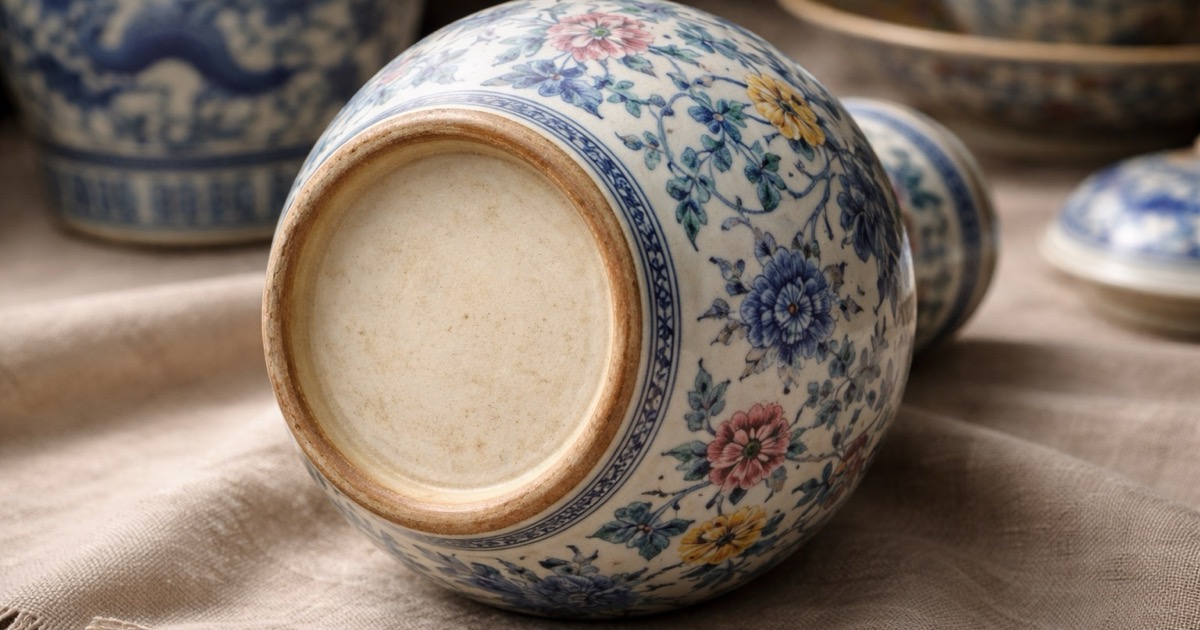
Old china marks identification is not just a matter of finding a backstamp and searching the name. A useful mark can narrow maker, country, or pattern range, but it only becomes reliable when the china itself supports the same reading. That is why the base, foot ring, body, and decoration matter just as much as the mark.
The good news is that many china pieces leave more clues than people realize. Even when the stamp is partial, the wording, symbol, pattern number, and overall construction can still move the identification forward.
Start with the full base
Before zooming into the center stamp, photograph and inspect the entire underside. For old china, that wider view often reveals:
- the full backstamp layout
- pattern or shape numbers
- decorators’ marks
- the foot ring
- glaze stopping points and base wear
People often crop too tightly and lose the information that explains the mark.
What old china marks can usually tell you
A backstamp may help you identify:
- the maker or factory
- the country of origin
- whether the piece was made for export
- a pattern family or shape number
- a rough date range
What it does not do on its own is prove rarity, value, or authenticity. A respectable-looking old-style mark on later china is still possible, which is why physical evidence has to agree.
The clues around the mark matter
When you read an old china stamp, look for:
- country wording such as
England,Japan, orMade in - crowns, shields, or symbols that may have changed over time
- numbers that may point to pattern or shape
- printed versus impressed marks
- whether the mark sits naturally on the base
These are not minor details. They are often the difference between a vague guess and a useful identification.
How to work through an old china mark
Use this order:
- photograph the whole object
- photograph the full base
- photograph the mark straight on
- take one second close-up from a slight angle
- write down every word, number, and symbol
- compare the mark with the body and decoration before trusting the result
That last step protects you from overreading the mark. If the stamp looks older than the object feels, pause. If the body and decoration strongly support the mark even when it is partial, that is often enough for a solid first pass.
What else should agree with the backstamp
The mark is only one layer. Also check:
Body color and translucency
A fine pale body may support one reading, while a heavier opaque body may push you in another direction. Use this as support, not proof.
Decoration method
Hand-painted detail, transfer printing, stenciling, and overglaze decoration each tell you something about how the piece was made and whether the stamp feels plausible.
Base wear
Natural wear on the foot ring helps support age better than surface style does. That does not mean every worn base is old, but believable wear matters.
Common mistakes in old china marks identification
The most common mistakes are:
- trusting the factory name without reading the rest of the stamp
- ignoring export wording
- treating a pattern number as if it were a date
- assuming all blue-and-white china is old
- ignoring obviously modern reproduction stamps
This is where related posts can help. China Makers Marks Identification: How to Read Old China Marks is the stronger maker-focused companion piece, while Antique Porcelain Marks: How to Read Backstamps goes deeper on the ceramics side.
Better photos make old china easier to identify
For stronger results:
- photograph the full base, not just the stamp
- use soft daylight
- take one mark close-up straight on
- take one angled photo if the mark is faint
- include any chips, repairs, or staining near the base
Those same images also help the app narrow likely type, maker family, and era more effectively than a single beauty shot from the front.
When to go beyond first-pass identification
If the mark points toward a desirable factory or the piece appears unusually early or elaborate, move beyond the first pass. That might mean factory references, pattern books, sold comparables, or a professional opinion. If value becomes the question, Antique Price Guide: How to Estimate What It’s Worth is the better next step after identification.
For most readers, though, the practical goal is simpler: read the full backstamp, inspect the base, and make sure the china agrees with the mark before you trust the story.
Topics