


How to Identify Antique Furniture Wood Types
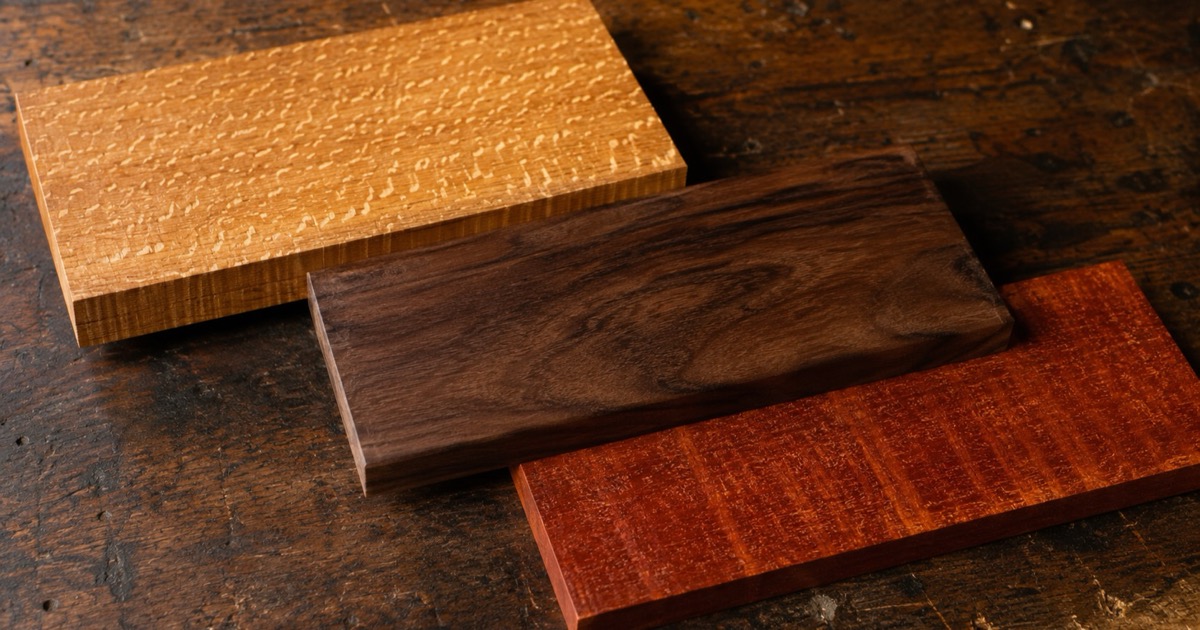
Antique furniture wood identification is one of the most useful skills you can bring to an estate sale, because the species used — and where it appears on a piece — tells you more about age, origin, and quality than a surface examination alone ever will. American and European craftsmen were not random in their choices: they had access to specific regional species, they used certain woods as fashionable primary surfaces, and they used different, cheaper woods for the parts no one was meant to see.
To identify the wood in antique furniture, examine the grain in daylight rather than relying on color, and check the unfinished secondary wood inside drawers and case backs, which reads truest. Start by pulling a drawer: the raw wood of its sides and bottom shows species character — grain texture, rays, and density — without finish distortion.
By the end of this guide you will be able to recognize the most common furniture woods by their visual character, understand the primary-versus-secondary wood system that helps date and locate a piece, check for veneer versus solid construction, and use finish clues alongside species to bracket an era.
Quick identification checklist
- Look at the grain under raking light and in good daylight before deciding on a species — color alone is unreliable, since old finishes and oxidation shift everything.
- Check drawer sides, backs, and bottom boards: these secondary woods are often unfinished or lightly stained and give you the clearest read of the raw wood.
- Flex a thin piece slightly or look at an unfinished edge to feel and see how coarse or fine the grain runs.
- Check corners, drawer runners, and inside any exposed joints — the visible surface may be veneered over a plainer secondary wood.
- Look at edges under natural light for a thin strip of contrasting wood, which signals edge banding on veneer.
- Compare the grain on adjacent panels: on solid-wood pieces it will vary; on veneered panels sliced from the same flitch it often mirrors perfectly.
The common primary wood species and their visual tells
Quartersawn oak
Oak cut radially — quartersawn rather than plain-sawn — shows the dramatic ray fleck that defines American Arts and Crafts and Mission furniture, as well as a good deal of English country furniture. The rays are wide, shimmering, silvery ribbons running perpendicular to the main grain. On plain-sawn oak the figure is plainer: arching cathedral grain with a coarser, more open texture. Oak is hard, pale tan to warm brown, and very heavy. It was a workhorse wood from medieval English pieces through the late-Victorian Mission revival.
American black walnut
Walnut is unmistakable once you know it: a rich chocolate to grayish-brown color with a straight to slightly wavy grain, moderate luster, and a fine, even texture. It was the fashionable American cabinetmaking wood through much of the Victorian period, used extensively in the decades following the Civil War. Walnut heartwood is dark; the sapwood at the edges runs pale cream and was typically cut away on quality work. The grain rarely has the drama of crotch or burl, but the color depth is distinctive even under thick old varnish.
Mahogany
Genuine mahogany (the Cuban and Honduran species historically prized in fine furniture) has a reddish-brown to warm medium-brown color and a ribbon or stripe figure caused by interlocked grain — under light at an angle, alternating stripes seem to shift from light to dark. The texture is fine to medium and quite smooth. Mahogany was the prestige wood of 18th-century and early 19th-century American and English furniture: Chippendale, Hepplewhite, Sheraton, and Federal-period case pieces rely on it heavily. A piece with consistent mahogany as its primary wood is unlikely to be crude country work.
Maple and birdseye maple
Hard maple is pale, nearly white to light tan, with a very fine, dense grain that takes a glassy finish. It was used extensively in New England furniture and as secondary wood in high-quality work everywhere. Birdseye maple — a figured variant caused by an aborted grain distortion — shows small circular or oval “eyes” scattered across the face, and was popular as a veneer on Empire-period case furniture and on some Victorian pieces. Curly or tiger maple has wavy reflective chatoyance and was a New England specialty in the 18th century.
Pine as secondary wood
Finding pine on the interior structural parts of a piece is a useful regional signal in American furniture. Yellow pine (long-grain, resinous, with broad growth rings) is common in Southern work; white pine (finer, lighter, softer) is typical in New England. When a piece presents walnut or mahogany on its visible surfaces but pine in the drawers and bottom boards, that pine character can help narrow geographic origin. Pine also appears as the primary wood in country and painted furniture throughout the 18th and 19th centuries, where it was often grained or painted rather than shown raw.
Rosewood
Brazilian and East Indian rosewood brings the most dramatic visual character of any common furniture wood: near-black streaks on a deep reddish-brown ground, sometimes almost purple in tone, often with a tight, fine texture. It was expensive even when new and appears mainly on high-style Victorian work — parlor furniture, piano cases, and elaborate veneered case pieces from the mid-to-late 1800s. The scent, when freshly cut or sanded, is its own tell. Rosewood’s weight and visual drama make it hard to mistake, and its presence signals intention: a maker chose it deliberately for effect.
Primary vs. secondary wood logic
Cabinetmakers built to a budget and a visual standard simultaneously. The primary wood is what you see — the face veneers, the drawer fronts, the top surface. The secondary wood is what the maker hid: drawer sides, the back boards of cases, the interior frames, the bottom boards under a case. Secondary wood was cheaper and locally available, so it tells you where the piece was likely made. English period furniture typically uses oak, beech, or deal as secondary wood. American work most commonly uses pine, poplar, or chestnut depending on region.
Mismatched secondary wood is also a flag: if a piece shows secondary wood of a species uncommon to its claimed origin, or if the secondary wood looks newer than the primary, it warrants closer examination.
Veneer versus solid construction
Veneer is not a sign of inferior quality in period work — the finest 18th- and early 19th-century case pieces are veneered, and veneer let craftsmen use matched, highly figured material on large flat surfaces in ways solid construction could not. The diagnostic checks are straightforward. Look at the edges: a solid board shows continuous grain all the way to the corner; a veneered panel shows a thin edge strip or a contrasting secondary wood at the edge. On a wide surface, look for perfect grain matching across adjacent panels — that mirroring effect happens when consecutive sheets cut from the same log are laid side by side, and it is nearly impossible to achieve with solid wood. Also check the interior of any drawers or the back of a door: the substrate wood visible there is usually a tell.
Very old veneer, applied with hide glue, can lift at edges over time. This is evidence of age, but it is also a repair target. Later pieces used different adhesive methods, and 20th-century furniture often uses plywood substrates that are visible at any exposed edge.
Period preferences as dating hints
Wood choice shifts over time in ways that help bracket dates. Early American and English colonial work relied heavily on local species — oak, walnut, maple, cherry. The 18th-century high-style period favored mahogany. American Victorian-era furniture shifted heavily to walnut, then ebonized finishes and rosewood for parlor pieces, then oak resurged in the Arts and Crafts era. Painted and grained furniture using softwoods occurs across many periods and is not period-specific on its own. Use wood choice as one point in a cluster of evidence, not as the sole dating cue.
Finish clues that support species dating
Older furniture was finished with shellac — dissolved in alcohol and built up in thin layers — and with oil. Shellac has a warm amber tone, produces a soft sheen rather than a plastic gloss, and crazes into a fine network of cracks over time. Modern lacquer and polyurethane finishes from the 20th century are harder, glossier, and more plastic in appearance and feel. A piece with original shellac in intact condition has not been refinished, which is a significant positive for value and for interpreting the wood color underneath. Stripped and refinished pieces may look much lighter or more orange than the original wood, complicating species identification.
Species alone doesn’t set value
A piece in mahogany is not automatically valuable, and a painted pine piece is not automatically cheap. Construction quality, design period, condition, provenance, and maker matter more than the choice of wood in most cases. Species identification is a starting point for understanding what you have — it helps establish region, approximate era, and the tier of the original market for which the piece was made. Combined with joinery evidence and stylistic analysis, it builds the case. On its own, it’s one variable among many.
Watch-outs and common mistakes
- Judging wood color under artificial lighting, which shifts warm tones and makes many species look similar; always check in daylight if possible.
- Confusing modern walnut-stained pine or poplar with genuine walnut — look at the grain texture, density, and weight for confirmation.
- Assuming a piece is solid because the visible surfaces show clean grain — veneered pieces can look perfectly solid from the front.
- Overlooking secondary wood entirely; it is often the most diagnostic material on the piece.
- Accepting a refinished surface as original; stripping removes finish history and can change how the wood reads entirely.
Photo tips that improve identification
- Shoot the secondary wood in drawer sides or interior frames without flash, in natural light, to capture the raw grain character.
- Photograph any edge or corner where veneer or substrate may be exposed, using a close-up macro shot.
- Capture a wide shot of a large flat surface at an oblique angle to show figure, ray fleck, or chatoyance that isn’t visible head-on.
- Include one overall shot showing the entire piece in context so proportions, style, and hardware are all visible in a single frame.
Common questions
What is the easiest way to tell what wood antique furniture is made of?
Look at unfinished surfaces first. Drawer sides, back boards, and the undersides of tops show raw wood without stain or varnish shifting the color, so the grain texture, rays, and density read honestly there. Then compare what you see against the visible primary wood in natural daylight — color under artificial light is the least reliable cue of all.
How can you tell if antique furniture is veneer or solid wood?
Check an edge: a solid board shows continuous grain wrapping around the corner, while a veneered panel shows a thin edge strip or a different wood at the edge. Perfectly mirrored grain across adjacent panels is another veneer tell, since consecutive sheets cut from the same log were laid side by side. Veneer is not a defect — the finest 18th-century case pieces are veneered.
Does the type of wood affect antique furniture value?
Less than most people assume. Mahogany or rosewood signals the original market tier the piece was made for, but construction quality, design period, condition, originality of finish, and maker carry more weight in value than species alone. A well-made painted pine country piece can outsell a mediocre mahogany one.
Related guides
- How to Tell If Furniture Is Antique
- How to Date Furniture by Dovetail Joints
- Identifying Antique Furniture Styles: Shape, Feet, and Joinery
When to use the Antique Identifier app
Photograph the whole piece alongside tight detail shots of any exposed secondary wood, veneer edges, and distinctive grain figure. The app can help narrow the wood type, style period, and likely maker fast — especially when you are unsure whether a figured grain is birdseye maple, quilted maple, or something else entirely. If it surfaces a high-value attribution, treat that as a prompt for deeper verification with a specialist, not a final answer.
Topics