

China Makers Marks Identification: How to Read Old China Marks
China makers marks identification is easier when you stop asking only “who made this?” and start asking “what kind of mark is this, and does it fit the object?” A backstamp can tell you a lot, but not everything. The strongest results come from reading the mark together with the body, glaze, foot ring, pattern number, and country wording.
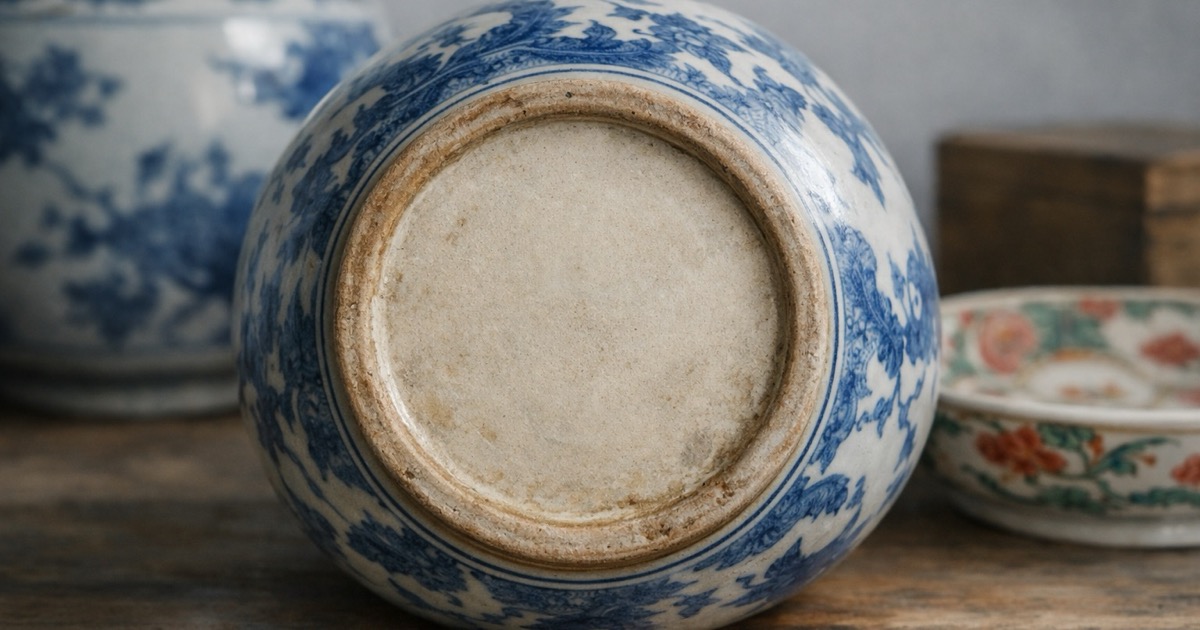
China makers marks identification is easier when you stop asking only “who made this?” and start asking “what kind of mark is this, and does it fit the object?” A backstamp can tell you a lot, but not everything. The strongest results come from reading the mark together with the body, glaze, foot ring, pattern number, and country wording.
That matters because old china and later china can share similar decorative styles. Some pieces carry clear factory names, while others show only partial stamps, pattern numbers, or export wording. The mark is useful, but the china around it has to support the same story.
What to look at before you search the mark
Before typing the mark into Google or an app, inspect these details:
- the full backstamp, not just the maker name
- any country wording such as
England,Japan, orMade in - pattern or shape numbers
- the foot ring and base finish
- whether the decoration looks hand-painted or transfer-printed
Write down the exact wording, even if part of it is missing. Small differences matter, especially when factories changed marks over time.
What china makers marks can tell you
A useful china mark may help you narrow:
- the maker or factory
- the country of origin
- the export market
- the pattern line
- a rough date range
But it does not automatically tell you whether the piece is antique, rare, or valuable. Plenty of later china uses respectable-looking marks. The safest approach is always to read the stamp and then check whether the body and decoration agree.
Start with the whole base, not the center stamp
One of the biggest mistakes people make is photographing only the center of the mark. For china, the full base often reveals more:
- whether the foot ring shows believable wear
- how neatly the glaze stops
- whether the mark looks integrated into the base
- whether there are extra numbers or decorators’ marks nearby
That is why this topic pairs naturally with How to Photograph Makers Marks for Identification. The better the base photo, the easier the mark is to interpret correctly.
How to read a china mark more carefully
Use this sequence for a first pass:
- photograph the full object
- photograph the full base and foot ring
- photograph the mark straight on and from a slight angle
- record every word, number, and symbol
- compare the mark with the body and decoration before trusting the result
That last step is the one people skip. A convincing backstamp on china that feels too modern should make you cautious. A worn partial stamp on otherwise convincing old china may still be enough to move identification forward.
Common signs that help beyond the maker name
For china and porcelain, these clues often matter as much as the name itself:
Country wording
Export wording can shift the likely date range significantly. A mark that includes Made in may place the piece later than a similar-looking earlier stamp without that phrasing.
Pattern numbers
Pattern or shape numbers are often overlooked, but they can be very useful when the maker name is generic or partially worn.
Decoration method
Hand-painted decoration, transfer printing, and overglaze work all age differently and can help confirm whether the mark fits.
Body and translucency
Not all old china is the same. Some pieces are finer and more translucent, while others are heavier and less delicate. The body should make sense for the kind of ware the mark suggests.
Common mistakes in china makers marks identification
These are the most common errors:
- trusting the factory name without checking the rest of the base
- treating a pattern number as if it were a date
- ignoring export wording
- assuming all old-looking floral china is antique
- letting one attractive mark override obviously later construction
If you want the broader cross-category framework, Antique Marks Identification: How to Read Antique Marks is the best supporting piece. If you want the more porcelain-specific version, Antique Porcelain Marks: How to Read Backstamps goes deeper on ceramic clues.
When to move from mark reading to value research
Once the mark and the object seem to agree, then it makes sense to ask about value. Even then, maker alone is not enough. Condition, pattern demand, completeness, and market appetite still matter. If the piece looks promising, use Antique Price Guide: How to Estimate What It’s Worth as the next step rather than assuming the mark guarantees a strong price.
How the app fits into the workflow
The app is most helpful after you have one full photo, one full base shot, and one clean mark close-up. That gives it enough context to narrow likely maker, era, and material, which makes your manual follow-up work much faster. Use it as a filter, not as formal authentication.
Topics